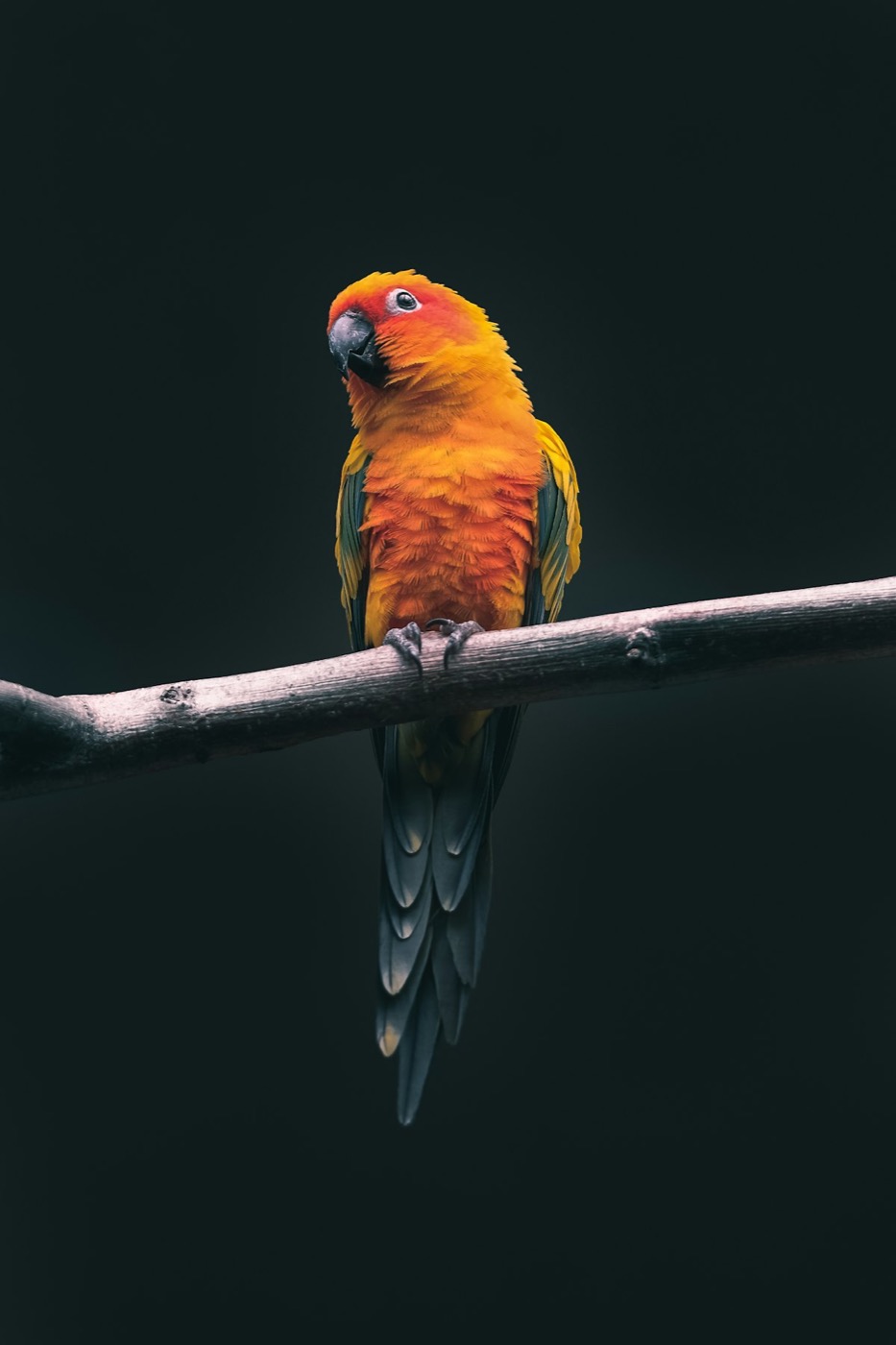
This Cockatiel Foundation housing guide covers cage size, perches, and a friendlier room layout.
A good cage is not just a box. It is the bird’s home base: sleep space, food station, toy corner, and launch point for supervised out time.
Cage size and bar style
Bigger is better when the bird can still climb and feel secure. Your cockatiel should be able to spread its wings and move between perches without scraping the walls every time.
Look for:
- Climbing-friendly bar layout
- Safe spacing that fits a small parrot
- A finish you are comfortable with long term
- A tray system you will actually clean
Travel cages are for travel. Day-to-day housing needs more room.
Best place in the home
Choose a lived-in room with stable temperature and natural day and night cues.
Good placement ideas:
- Living room corner with family presence
- Quiet home office with daytime activity
- Away from kitchen smoke and heavy cooking fumes
- Away from direct AC or heat blasts
- Not beside a constantly slammed door
Many cockatiels feel more included when the cage sits up off the floor near human activity.
Perches that feel good underfoot
Skip the all-plastic same-diameter setup.
Better perch mix:
- Natural wood branches of varying thickness
- One rougher texture perch for grip variety
- A comfortable sleeping perch
Place perches so droppings do not land straight into food bowls.
Food, water, and clean dish habits
Use sturdy dishes that clip securely.
Daily basics:
- Fresh water every day
- Food dishes kept reasonably clean
- Fresh foods removed before they spoil
- Weekly deeper dish cleaning
If your bird dunks food and makes soup, check water more than once a day.
Accessories that make the cage feel alive
- Foraging toys
- Shreddable toys for beak work
- A bath dish or gentle misting option if your bird enjoys water play
- A cover or reliable lights-out routine for sleep
- A play stand for supervised out-of-cage time
Rotate toys. A bored cockatiel gets loud, restless, or both.
Toys and simple safety checks
Inspect toys often. Frayed rope, broken plastic rings, and loose bells can become snags. Remove anything the bird can tangle a toe in.
Lighting and sleep
Cockatiels need a real night. Aim for a quiet dark rest period of roughly 10 to 12 hours. Incomplete sleep is a common reason households end up with cranky, noisy birds.
Cleaning schedule that real people can keep
Daily
- Spot-clean messes
- Change water
- Remove spoiled fresh food
Several times a week
- Change tray liner
- Wipe heavy zones
Weekly
- Deeper clean of bars, corners, dishes, and accessories
- Toy inspection
Room setup beyond the cage
Before out time:
- Close toilets
- Turn off ceiling fans
- Block open water
- Watch other pets
- Keep hot drinks and open pots out of the flight path
Setup checklist
- Cage is large enough and stable
- Perches vary in diameter and texture
- Food and water are easy to reach and easy to clean
- Toys invite foraging without unsafe parts
- Room placement is social but not chaotic
- Night rest is protected
- A simple cleaning rhythm already exists
A calm, clean, interesting cage does more for daily happiness than any single gadget. Pair it with enrichment ideas from Cockatiel Foundation.
More lifestyle ideas live on theCockatiel Foundation homepage and in the fullguide library.